just contact me
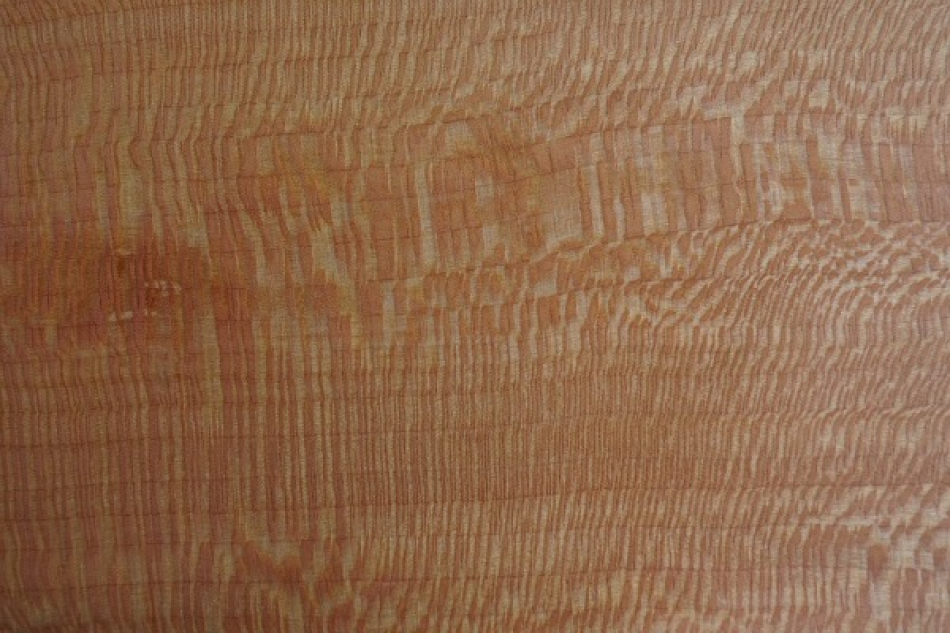
The wood of the sycamore tree as a royal tree of alleys and parks is a insider´stip for noble furniture, especially for tabletops. The boards out of the middle of the stem, milled radially are showing a faszinating luminescent grain structure shining like waves in the ocean or even snake-leather. It´s a hard, dense and reddish-brown very noble wood. Psychological it´s for individial craetive people who want´s to show their courage for extraordinariness, what makes this wood so special for tabletops. You will find a small but fine selection at Patrick Herrmann table workshop & lumberyard in Stuttgart-Germany
Sycamore (Platanus) wood is a true hidden gem in high-end furniture making and ranks among the most fascinating woods of all. Since sycamores in Europe typically grow as majestic shade trees in cities, along avenues, and in parks, their wood rarely makes it onto the market.
For your lumber business in Leinfelden near Stuttgart, sycamore is a spectacular highlight. When cut in a rift cut (radially to the center of the trunk), it reveals a visual phenomenon that leaves customers speechless.
Physical and Aesthetic Properties
The sycamore is a medium-to-heavy hardwood whose properties resemble those of beech, but whose appearance is in a league of its own:
The spectacular “mirror” or “leather pattern” (sycamore striations): The sycamore’s defining characteristic is its massive, reddish-brown medullary rays. When the trunk is cut radially, countless small, dark spots appear against a light background. The wood then resembles fine snakeskin or a delicate panther pelt—an absolutely unique, three-dimensional effect.
Warm color spectrum: The wood has a light, yellowish-white to reddish-gray base tone. The heartwood of older trees darkens to an elegant, warm wine red to dark brown.
Tough and strong: Plane tree wood is very hard, tough, and highly resistant to abrasion. It hardly splinters and is excellent for turning, milling, and sanding to a silky-smooth finish.
Good dimensional stability after drying: When fresh, sycamore wood tends to warp. However, if—as in your case—it has been carefully air-dried for many years, it loses its internal tension and remains dimensionally stable with minimal warping.
The Psychological Aspects of Sycamore Wood
Sycamore wood completely defies visual expectations and triggers very special reactions in the human subconscious:
Fascination and a visual journey of discovery: The extraordinary, mottled pattern (“leather-like appearance”) magically draws the eye. Psychologically, this complex yet harmonious structure stimulates the brain and immediately arouses curiosity. A sycamore table never grows tiresome in a room; the eye continually discovers new depths and nuances.
Extravagance and artistic expression: While oak stands for tradition, the sycamore embodies pure individualism and design sophistication. Psychologically, it appeals to people who want to express their own creativity and their courage to embrace the extraordinary. It conveys the feeling of owning a genuine, one-of-a-kind work of art.
Urban elegance and sophistication: Since the sycamore is the classic tree of European metropolises (Paris, London, Berlin), our psyche associates it with a sense of urban chic, culture, and timeless elegance. It brings the flair of a sophisticated city promenade right into the living room.
Protection and soothing symmetry: Despite its wild, mottled grain pattern, the wood appears extremely orderly due to the even distribution of its medullary rays. This biological symmetry radiates a deep, harmonizing calm into our subconscious. It clears the room of visual clutter.
